Shopping cart
- +1 564-544-6614
- [email protected]
- 24/7 Available


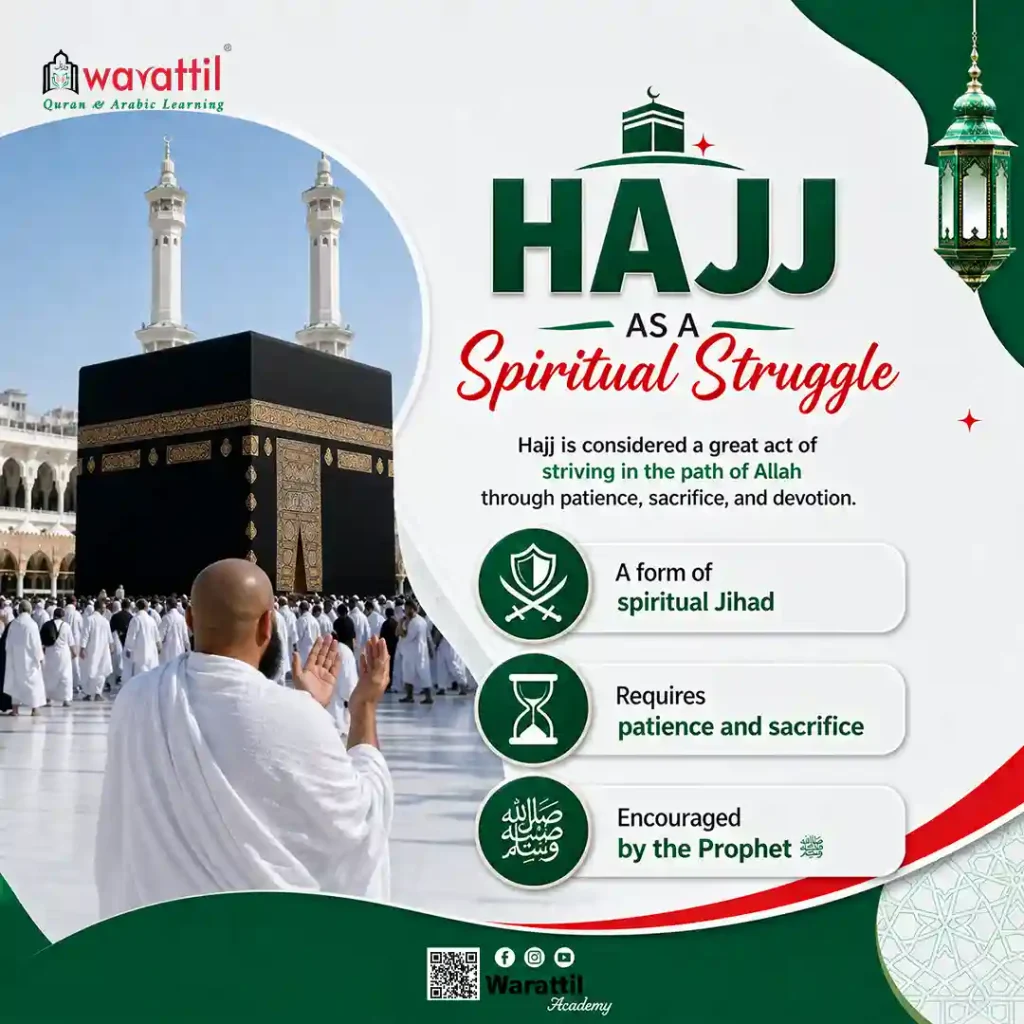
More than a ritual journey, Hajj—the fifth pillar of Islam is a profound act of devotion that fundamentally reshapes the believer. Every year, millions of Muslims from every corner of the globe converge on Mecca, responding to the divine call first proclaimed by Prophet Abraham. The experience is not only deeply personal but also staggeringly collective, and its value extends far beyond the days of the pilgrimage itself. Grasping the 10 importance of Hajj explains why this sacred duty remains the spiritual climax of a Muslim’s life, carrying a reward no less than Paradise when accepted by God.
Hajj is a mandatory act of worship for every sane, adult Muslim who possesses the financial and physical means to undertake the journey at least once in their lifetime. The Qur’an establishes this duty unequivocally: “Pilgrimage to this House is an obligation by Allah upon whoever is able among the people” (Surah Ali-‘Imran, 3:97). As the fifth pillar on which the faith is built, its performance completes a believer’s foundational Islamic obligations.
Among the foremost reasons pilgrims embark on the journey is the promise of attaining forgiveness from God. The reward for a sincerely performed pilgrimage is unparalleled: the Prophet Muhammad ﷺ said, “Whoever performs Hajj, avoiding all forms of indecent behaviour and sins, will come out as sinless as a newly-born child”. This spiritual cleansing offers the pilgrim a fresh start, wiping the slate clean and providing immense hope and relief from the weight of past transgressions.
The spiritual return for an accepted Hajj is so great that no worldly compensation can match it. The Prophet Muhammad ﷺ stated in a well-known narration, “An accepted Hajj has no reward except Paradise”. This singular promise elevates Hajj beyond all other acts of devotion; it represents a direct path to eternal salvation, motivating the pilgrim to strive for sincerity in every rite performed.
At its core, Hajj is a rigorous training in absolute surrender and submission to the will of Allah. Pilgrims perform rites—from donning the simple Ihram garments to the Tawaf and Sa‘y—that may have unclear rationales, yet they are done in pure obedience to the divine command. This conscious submission, leaving behind personal inclinations and desires, reinforces the very essence of what it means to be a Muslim.
Every stage of the pilgrimage serves as a vivid reminder of the ultimate journey to the afterlife. Leaving one’s homeland and family mirrors the departure at death. The Ihram garments resemble the simple burial shroud, while the vast gathering on the plain of Arafat foreshadows the Day of Judgment where all of humanity will stand equal before their Lord. This constant reminder instills a profound sense of accountability and a refocusing on eternal priorities.
Hajj is the world’s largest annual convention, where over two million Muslims from every race, language, and social class gather in a breathtaking display of brotherhood and equality. Clad in identical simple white garments, kings and labourers, rich and poor, stand shoulder to shoulder, embodying the principle that no person is superior to another except in piety. This experience of unity leaves a lasting impression, demonstrating the true oneness of humanity before God.
Beyond its spiritual merits, emerging research highlights the significant psychological benefits of the Hajj journey. The structured routine of worship, removal from daily stressors, and periods of deep reflection help reduce anxiety and enhance mental clarity. Studies have found that individuals who performed Hajj reported lower levels of perceived stress and higher resilience months after the pilgrimage, demonstrating its lasting impact on psychological well-being.
Hajj is recognised as a form of Jihad (striving in the cause of God), particularly for those for whom armed struggle is not an option. When a companion expressed timidity about physical Jihad, the Prophet ﷺ advised, “Do a Jihad which is free from risk; do Hajj”. For women, the Prophet ﷺ specifically declared that the best form of Jihad is a purely and sincerely observed Hajj. This dimension underscores the immense spiritual struggle and sacrifice involved in the pilgrimage.
The sacred precincts of Hajj are a training ground for impeccable moral character. The Qur’anic command is clear: “Let there be no obscenity, nor wickedness, nor wrangling in Hajj” (Surah Al-Baqarah, 2:197). Pilgrims must exercise strict self-control, refraining from arguments, vanity, and all sinful behaviour. This disciplined environment cultivates patience, humility, and a habit of good conduct that a pilgrim is expected to carry back into their daily life.
The true measure of a Mabrur (accepted) Hajj lies in the positive transformation of a pilgrim’s character after returning home. The spiritual achievement must be reflected in social conduct—marked by increased generosity, gentle speech, and compassion towards others. The pilgrimage is not an isolated ritual but a catalyst for lasting behavioural change, with pilgrims often making and sustaining pledges to give up harmful habits and embodying the ethical values of Islam in their communities.
The 10 importance of Hajj collectively demonstrate that this pillar of Islam is far more than a physical journey. It is a profound, multi-dimensional experience that cleanses the soul, unites the global Muslim community, and provides a transformative blueprint for living a life of piety and purpose. Understanding these deep significances sheds light on why, for a believer who performs it with a sincere heart, the reward is nothing short of Paradise itself.

My son feels happy, amazing teachers and staff in wrattil and flexible prices MashaAllah Thank you so much
My daughter started learning in warattil academy and alhamdulilah we are really impressed and have enjoyed learning with wrattil. May Allah reward her sheikh
My teacher Ahmed is very good. He helped me recite and memorize holy Quran
Warattil is the most efficient way of learning Arabic. I like warattil curriculum and excellent teachers to support this learning Thank you so much
I highly recommend warattil Ijazah programs to anyone who wants to learn Quran properly.
Very well organized MashaAllah. I love it and this is a great course if you want to understand the Quran and learn tafsir
Warattil program is the best I have seen. The teacher is really great and is available to answer questions in a clear manner
I think warattil is the best academy in learning Arabic and I recommend Arabic course to anyone
We are so happy with ustad Hussein. He is very patient and comfortable teacher. May Allah the teachers and admin in warattil
Rating 10 mashaAllah and so grateful